Betting in War Zones: How Conflict Affects Wagering Trends

Betting does not stop during conflict. When one country is at war, another is having the greatest time of its era. War changes many things, including how and why people place bets on platforms like 22Bet and many more.
War Changes Betting Habits
When war starts, normal life changes. So do betting habits. People may bet less on sports because games get canceled. Or they may bet more, trying to escape stress. In some places, betting becomes a way to cope. For others, it becomes a financial risk they cannot afford.
Betting Markets Shrink or Shift
During conflict, some betting markets shut down. Sports leagues may pause. The infrastructure may break. But new markets sometimes appear. People bet on things like when supplies will arrive or what will happen next in the conflict. These new trends are risky but real.
Tone of Survival and Risk
War betting is about survival. Some bet because they want quick money. Others bet for distraction. But the risks are bigger. Legal protections may disappear. Bookmakers may not pay out winnings. Some even vanish overnight. Betting in war zones is often dangerous.
How Technology Keeps Betting Alive
Online betting helps keep wagering possible even in war zones. If people can access the internet, they can still place bets. Mobile apps are often used when traditional shops close. Cryptocurrencies help, too. They allow anonymous bets without using banks, which may be shut down.
Case Study: Ukraine
Since the war in Ukraine began, many betting patterns have changed. Some betting companies left the market. Others adapted. Local bettors shifted to online platforms. Cryptocurrencies became more common. Some also bet on the outcomes of military events, though this is controversial and risky.
Emotional Reasons Behind Betting in War
People in war zones bet for more than money. Some do it to feel normal, even for a moment. Others bet to connect with friends, using wagers as a way to socialize during hard times. It is not always about profit. Sometimes, it is about hope.
Legal Betting Becomes Riskier

Betting laws often get suspended during war. Governments focus on security, not gambling regulation. This leaves bettors vulnerable. Illegal operators may take over. Players may not get their winnings. Legal systems may not help. Betting in these conditions is high risk.
The Dark Side: Exploitation
Sadly, some take advantage of bettors in war zones. Scammers create fake betting sites. They lure desperate people and steal their money. Others offer impossible odds or rigged games. Without proper regulation, these bad actors thrive. It is important to stay alert.
Government Response
Some governments try to block betting during war. They view it as a harmful distraction. Others tolerate it, seeing it as a minor issue compared to bigger problems. Some even use betting taxes to fund military efforts. Responses vary by country and conflict.
Betting as a Form of Protest
In rare cases, betting becomes a protest. People place bets to mock leaders or predict political changes. For example, some might bet on how long a regime will last. These bets mix humor with resistance. It shows that even in war, betting is more than just money.
Impact on Global Betting Companies
When war affects a country, global betting companies may pull out. They avoid legal risks or reputational damage. Others stay, adjusting their offerings. For example, they may focus on virtual sports instead of real matches that get canceled. War forces companies to adapt fast.
Virtual Sports Fill the Gap
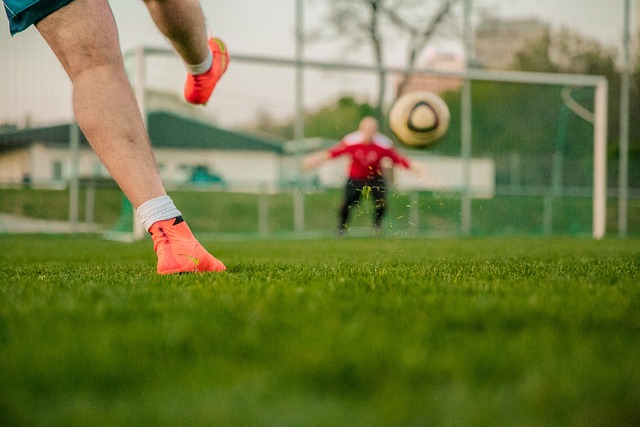
With real sports canceled, virtual sports rise. Bettors in war zones turn to simulated games. These games offer quick results and don’t depend on real-world events. For some, it is a welcome distraction. For others, it is the only available option.
Psychological Impact on Bettors
War causes stress, fear, and trauma. Betting can become a coping mechanism. But it can also lead to addiction. The uncertainty of war may push people to gamble more recklessly. Support services may be unavailable. This creates a dangerous cycle for vulnerable bettors.
NGOs and Support Services
Some NGOs offer help to problem gamblers, even in war zones. They provide advice and resources. However, their work is often limited by the conflict itself. Access to help may be reduced. Online support can sometimes fill the gap.
Betting Trends After Conflict Ends
Once a war ends, betting trends shift again. Some people stop betting, focusing on rebuilding. Others continue, using betting as a source of income or entertainment. Betting companies may return. New regulations may emerge. The landscape changes once more.